

As a childcare provider you don’t have to provide meals, you can ask parents to send packed lunches. Personally I like to know I’m giving the children a nice healthy hot meal at lunchtime.
As a parent many of us struggle to know if we are feeding our children the right things, so here are some of my favourites.
Healthy meals need variety
As adults we are often told we need to cut this and that out of our diet to remain at a healthy weight and wonder if the same applies to our children, I would advise not (I would advise not for adults too, but we’ll not get into that). It’s also important to introduce children to a wide variety of foods and when doing so remember that it can take between 8-15 attempts of new foods before a child will know for sure if they like it or not.
A balanced diet should consist of food from all 5 food groups;
- bread, rice, potatoes, pasta and other starchy foods,
- fruit and vegetables,
- milk, cheese and yogurt,
- meat, fish, eggs, nuts and pulses
- foods high in fat and sugar.
Meal Routine
A good mealtime routine for children is very helpful in building healthy eating habits. Children’s appetites will vary from day to day depending on their activity levels and things such as growth spurts but sticking to a regular meal routine offering the right amount of foods will help ensure your child isn’t going to go hungry. A good example of a meal routine that works well for us is:
- Breakfast
- Healthy Snack
- Lunch
- Snack
- Evening meal
- Small supper
Portion Sizes
Healthy portion sizes are very important, too often younger children are served far too much and then made to feel bad when they can’t clear their plate, I highly recommend serving smaller potions on smaller plates and offering plenty of praise to a child that eats it all then you can always offer more if needed. Ikea sell some really good child-sized plates. Below I have included a small range of meal potions but obviously can’t list everything, it’s a good idea to remember when serving your child’s food that they only have small tummies, it is true that their stomach is only about the size of their clenched fist so a child’s portion is probably smaller than you’d have imagined.
Food group 1, bread, rice, pasta etc should be offered with each meal and can also be used for snack times. But remember your portion sizes, a child under four years only needs half – one slice of bread, 1-3 bread sticks, 2-5 tablespoons of rice, 2-5 tablespoons of pasta or 3-6 tablespoons of cereal.
Food group 2, fruit and vegetables, offer a variety of fruits, at least one with each meal, preferably two. Also use as a snack. Again the serving size of these are probably smaller than your expecting, a child under four may only need a quarter of an apple or banana but as these foods are highly nutritious you can feel free to let the children eat higher quantities if they want to. If you happen to have a fussy eater that isn’t overly keen on fruit then try fruit juice instead,
Food group 3, milk, cheese and yogurt. These foods should be offered around 3 times a day, these foods can reduce appetite for iron-containing foods from other food groups so don’t want to be eaten in excess. Typical portions of these would be; 1 cup of milk (100-120ml, 3-4oz) this should be in a cup, bottles are only for children under 1 year. 1 cheese triangle, string or Babybel is a full portion for a child under four, and 1 small yogurt is enough.
Food group 4, meat, fish, eggs, nuts and pulses. These should be served twice a day for a young child that includes the meat and fish but 3 times a day if the child is a vegetarian. Typical portions for a child under four would be; a quarter – one small beef burger, 2-4 small nuggets, 1/4 -1 medium sausage. 1/4-1 small fish. 1/4-1 full egg. 1-2 tablespoons of nuts. 2-4 tablespoons of baked beans, 2-4 tablespoons of tofu.
Food group 5, foods high in fat. These foods should only be offered once a day, they offer enjoyment but are low in nutrition and if high in sugar can cause tooth decay. So only small amounts are recommended; half – one chocolate coated biscuit, 2-4 tablespoons of cake, 6-8 chocolate buttons, 1 small cup of popcorn are all sufficient for a child under four.

Use this free printable as a quick guide to serving the right amount of food at home.
As far as drinks are concerned we are recommended to only offer water and milk. Soft drinks are not recommended for early years children.
Our Favourite meals
- Chicken nuggets, air fried chips with peas
- Tomato pasta with fresh tomatoes’
- Rice and meatballs, with a side of carrot and cucumber sticks
- Lasagne with garlic bread and sweetcorn
- Beef and vegetable stew with dumplings
- Fish, new potatoes and mushy peas
- Chicken pasta with mushrooms
- Beans, sausages and hash browns
- Chicken and vegetable soup with Yorkshire puddings
- Spaghetti bolognese
- Fish pie with cooked carrots
Our Favourite snacks
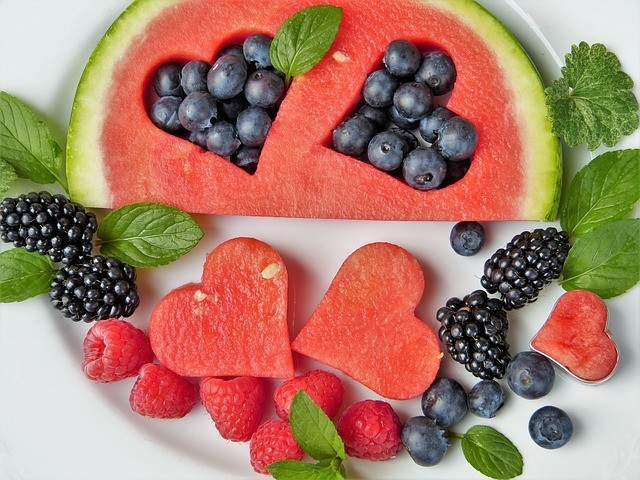
- Individual fruit
- Chopped mixed fruit (please, please, please slice grapes)
- Toast with a variety of toppings
- Malt loaf
- Carrot and cucumber sticks
- Cheese and crackers
- Celery with peanut butter
- Raisins
- Ice pops
- Bread sticks and hummus
- Nuts
- Strawberries and ice cream
- Popcorn
- Yogurts (although we often use these as desert)
Food Allergies in Children
Defining Food Allergies
Food allergies are a common problem among children. This is a condition where the immune system reacts to certain proteins found in food as if they are harmful. The body produces antibodies to fight off the proteins, which results in an allergic reaction. Food allergies can be mild or severe, and in some cases, life-threatening.
Common Allergens
The most common food allergens in children are milk, eggs, peanuts, tree nuts, fish, shellfish, soy, and wheat. These allergens can be found in many foods, so it’s important to read the food label carefully. Some children may also have allergies to other foods or ingredients.
Symptoms and Diagnosis
Symptoms of a food allergy can range from mild to severe and may include hives, itching, swelling, vomiting, diarrhoea, and difficulty breathing. In severe cases, a child may experience anaphylaxis, which is a life-threatening allergic reaction.
If you suspect your child has a food allergy, it’s important to see a doctor for a proper diagnosis. The doctor may perform a skin prick test or blood test to determine if your child has an allergy. In some cases, an oral food challenge may be necessary to confirm a diagnosis.
Conclusion
I hope you’ve gained something by reading this, if you have any questions please don’t hesitate to ask me, i’d also love to hear about any of your favourite family meals
Thanks for reading,
Samantha x
