
Subscribe to continue reading
Subscribe to get access to the rest of this post and other subscriber-only content.
Childcare advice & resources

Subscribe to get access to the rest of this post and other subscriber-only content.

Are you looking for ways to make your little one’s party extra fun and memorable? Discovering the best party games for young children can be the key to creating an unforgettable and joyous celebration.
As a parent or childcare provider, offering engaging activities for young children is essential to ensure they have a great time while developing essential skills. The right party games can spark creativity, encourage cooperation, and foster a sense of camaraderie among the youngsters as well as offering a ton of fun!
Here we will dive into a selection of the best party games tailored for young children, guaranteed to inject excitement and laughter into any celebration. Get ready to create lasting memories and foster valuable social interactions with these fantastic game ideas.

Have you ever played Musical Statues? It’s a classic party game that never fails to get children up and moving, grooving to the music. It’s super easy to play – just dance around to the music, then freeze like a statue when the music stops. But why not add some extra fun by mixing it up with some creative variations?
By incorporating these exciting variations, Musical Statues becomes even more engaging and inclusive for children of all ages. So next time you host a party or play date, remember to put on some music, strike a pose, and get ready to have a blast with this timeless fun game!

Excitement fills the air as you prepare for a thrilling treasure or scavenger hunt game at your child’s party. Whether it’s indoors or outdoors, setting up a treasure hunt adds an element of mystery and fun that young children adore. Imagine the thrill on their faces as they decode clues and search high and low for hidden treasures. Let’s delve into clue options and prize ideas to ensure a memorable treasure hunt experience for the little adventurers.
Are you ready to ignite the spirit of adventure in your young party guests? Consider using colourful and engaging clues that are tailored to their age group. Here are some examples to get you started:
These clues are designed to captivate young minds and lead them on a journey of discovery, adding an extra layer of excitement to the treasure hunt.
What’s a treasure hunt without exciting treasures to discover? Treat your little explorers to small but delightful prizes that will make their eyes light up with joy. Here are some small prize ideas to consider:
These small treats and trinkets serve as rewards for their hard work during the treasure hunt, making the game even more enjoyable and rewarding for the young participants. Get ready to witness their beaming smiles as they uncover the hidden treasures and celebrate their victories!
Get creative with your clues and prizes to tailor the treasure hunt to your party venue, whether it’s in your living room, garden, or local park. The thrill of the hunt combined with the promise of exciting rewards will make the treasure hunt a highlight of the party that will be remembered long after the festivities end. Happy hunting!

Have you ever witnessed the sheer delight on a child’s face as they eagerly anticipate the moment a balloon bursts? Balloon Pop is a classic party game that never fails to entertain young children and keep them engaged for hours. The joy of popping balloons can be infectious, creating an atmosphere filled with laughter and excitement.
You can easily adjust the difficulty levels of Balloon Pop to suit the age group of the children participating. One way to vary the challenge is by altering the contents inside the balloons. For younger children, you can fill the balloons with small treats or stickers, providing instant gratification when they burst. For older children, consider adding riddles or clues inside the balloons that lead to a hidden treasure, adding an element of mystery and intrigue to the game.
With Balloon Pop, you have the flexibility to customise the game to cater to different age groups, ensuring that all children can join in on the fun and experience the thrill of bursting balloons. Whether it’s a birthday party or a playdate, Balloon Pop is sure to be a hit with young children, bringing smiles and laughter to everyone involved.
Water balloon toss is another great game for the summer, the first player to drop the balloon is out (as well as probably wet) and you continue till there’s just one winner left.

Pass the Parcel is a classic party game that never fails to bring excitement and joy to young children. The anticipation builds as the parcel is passed around in a circle, with each child hoping they will be the lucky one to unwrap a layer and reveal a surprise. It’s a perfect game for parties, keeping kids engaged and entertained throughout.
To make Pass the Parcel even more exciting, consider adding small surprises between each layer of wrapping paper. These surprises could be mini gifts like stickers, temporary tattoos, or small toys that the children can enjoy as they unwrap the layers. You could also include jokes or riddles on slips of paper to add a fun and interactive element to the game.
The element of surprise and the shared excitement of uncovering what’s hidden beneath each layer will keep the children fully engaged and eagerly anticipating their turn. It adds an extra burst of fun and intrigue to the game, making it a memorable and enjoyable experience for all the young participants.

Pin the Tail on the Donkey. This classic game never fails to bring a burst of excitement to any celebration, making it a must-have for parties with young children. But why stop at donkeys when you can open up a world of endless possibilities and enchanting themes?

Why not sprinkle a bit of magic into the mix and opt for a regal twist on the traditional game? ‘Pin the Crown on the Princess’ takes the classic concept of Pin the Tail on the Donkey and transforms it into a royal adventure fit for young princes and princesses.
Imagine the delight on their faces as they don sparkling crowns, spin around, and try to pin the crown in just the right spot on a majestic princess poster. This enchanting variation adds a touch of fairy-tale charm to the party, sparking their imagination and creating unforgettable memories.

Similar to above but for the little pirates amongst us.

Perfect for a Halloween party.

A firm Christmas party favourite here.
No matter which theme, the essence of the game remains the same – blindfolded fun, laughter, and a hint of friendly competition. So, go ahead, unleash your creativity, and turn Pin the Tail on the Donkey into a magical experience that will have children beaming with joy.

Setting up a dance party for young children is a good idea to keep them entertained and active. To create the perfect dance party atmosphere, start by setting up a designated dance floor where kids can bust a move. Getting the right music selection is crucial to keeping the energy levels high and the vibes positive throughout the party.
When it comes to choosing music for a children’s dance party, opt for popular children’s songs that are catchy and easy to dance along to. Consider creating themed playlists based on your child’s favourite movies or TV shows to add an extra element of fun. Classic hits like “Baby Shark”, “The Chicken Dance”, and “Cha Cha Slide” are sure to get the little ones grooving and giggling. Don’t forget to include some timeless party tunes that both kids and adults can enjoy dancing to together.
To keep the party engaging, mix up the tempo and genres of the songs to cater to different tastes and dancing styles. Slow things down with some gentle tunes for brief rest periods between high-energy tracks. Remember, the key is to keep the music upbeat and lively to ensure a memorable dance party experience for the kids.

Are you ready for your little ones to burn off some excess energy in the most hilarious way possible? Kids of all ages love silly races and they are the perfect outdoor game to get everyone moving and laughing together. Let’s dive into some fantastic ideas for silly races that will have your young children grinning from ear to ear!
Grab some eggs (or any round object) and spoons, and set up a start and finish line. The challenge? To race from one end to the other without dropping the egg from the spoon. Watch as the kids waddle and concentrate to keep those eggs balanced!
Pair up the kids and tie their inside legs together. The objective is simple – to work together to reach the finish line without falling over. It’s a fantastic way for them to learn about teamwork and coordination while having a ton of fun.
Get some old pillowcases or sacks and have the children hop their way to victory. This classic race never fails to bring out the giggles as they hop around like little kangaroos. Who will reach the finish line first?
Give each child a balloon and set up a course with balloons scattered along the way. The challenge is to sit on each balloon and pop it as they race to the finish line. It’s a loud and exciting race that will keep them on their toes!
Time to get a little silly! Have the kids get down on all fours and walk like crabs towards the finish line. It’s a hilarious sight to see them scuttling sideways, trying to outpace their friends. Who knew being a crab could be so much fun?
Grab some hula hoops and challenge the kids to run or hop through them to reach the finish line. It’s a great way to incorporate some funky dance moves into a race, adding an extra element of fun and coordination to the mix.
Get ready to witness a whole lot of laughter and boundless energy as your young children engage in these silly races. It’s not just about winning but about enjoying the silly moments and creating lasting memories of pure joy and excitement!
Team up a few of the children and give them a baton, each team member runs a lap against the other teams. The winning team members score a point each.
A simple skipping rope works well for this, again create teams and each team takes to one side of the rope and pulls, the team that manages to pull the most wins.
Really use your imagination for this one, create 2 identical courses to allow for a race. balance beams, tyres, nets and cones all work well.
This race could be a great way to encourage parents to join in, have the child on their hands and knees and then their parent lifts their feet into the air. Each team then races to the finish line.

Limbo is a classic party game that is sure to bring a lot of fun and excitement to any children’s gathering. It’s a game that tests flexibility and agility in a fun and interactive way. Let’s dive into how you can set up and play this entertaining game with the young ones.
To set up the Limbo game, all you need is a long stick or a broom handle to act as the limbo bar. Make sure it’s at a suitable height for the children to limbo under without touching or knocking it down. You can play some energetic music in the background to add to the party atmosphere and get the kids excited.
Kids love Limbo because it’s a thrilling game that challenges them physically while also being incredibly fun. It allows them to show off their flexibility and agility in a friendly and competitive setting. Plus, the lively music and the cheers from their friends create a vibrant party atmosphere that keeps them engaged and entertained throughout the game.

Do you want to add a fun twist to your party games? Hoopla is a fantastic game that will have everyone, both kids and adults, entertained for hours. Get ready to dive into the excitement and laughter that this game brings.
Grab a few hula hoops and challenge the kids to a hoopla showdown! The objective is simple – toss the hoops over different objects to score points. You can create a variety of challenges by setting up targets of varying distances and sizes. The player with the most hoops successfully tossed over the targets wins!
Depending on your party theme you could consider adding a playful twist. We’ve used bunny ears for Easter parties and reindeer antlers for Christmas parties. Have the children wear these fun accessories as they attempt to throw the hoops. Not only does this add an element of silliness, but it also increases the difficulty level, creating extra excitement and laughter.
Hoopla is not just about fun; it also offers valuable developmental benefits for young children. This game helps improve hand-eye coordination, spatial awareness, and motor skills. Additionally, it encourages friendly competition and teamwork among the players, fostering social skills and sportsmanship.
Make sure you have everything you need to host a successful Hoopla game at your next party:
Are you ready to bring the excitement of Hoopla to your next party? Get those hoops ready, put on your bunny ears or reindeer antlers, and let the fun begin!
There’s many more fun party games to consider such as Simon says, duck duck goose, hot potato and the chocolate game just to name a few more.
Party games hold the key to unlocking unforgettable moments and pure joy for young children at gatherings. The right selection of well-planned activities can transform an ordinary event into a magical experience filled with laughter and togetherness. By incorporating fun and engaging games, you not only entertain the little ones but also create lasting memories that they will cherish for years to come. So, next time you’re organising a children’s party, remember the power of playful games in making it a truly special occasion!


Looking to throw a memorable birthday party for your two-year-old but running out of creative ideas?
In my honest opinion this is probably the trickiest age to plan a party for, two year old’s are old enough to want to play and have a good time but a little young to tell you how!
But you’re in the right place! Planning a birthday celebration for a little one requires just the perfect mix of fun and excitement to keep those tiny party guests engaged and entertained. Keeping this age group entertained doesn’t have to be daunting – with some clever planning and a dash of imagination, you can create a fantastic party that will delight both the children and their parents
Get ready to explore a treasure trove of engaging games and activities guaranteed to make your little one’s special day unforgettable.
From interactive games to colourful decorations, this blog post is your go-to guide for planning a fun-filled and stress-free birthday bash. So, roll up your sleeves and let’s dive into a world of excitement and joy tailored specifically for your two-year-old’s big day. Let’s make this celebration one to remember!
Planning a birthday party for your little one can be both exciting and overwhelming. One of the key elements that sets the tone for the celebration is choosing the perfect theme. When it comes to two-year-old’s, selecting a theme that captures their imagination and is visually appealing is essential to create a memorable experience. Let’s explore some fantastic theme ideas and decoration tips for a toddler’s birthday bash.
Jungle Safari: Transform your party space into a wild adventure with jungle decorations, animal prints, and soft plush toys. Incorporate green and brown colours to mimic the forest, and consider adding inflatable palm trees or animal-shaped balloons to enhance the safari feel.

Under the Sea: Dive into an underwater world with an ‘Under the Sea’ theme. Decorate with blue and turquoise streamers, hangings of fish cut-outs, and bubble machine to create a sea-like atmosphere. Encourage guests to dress up as sea creatures for added fun.

Farm Fun: Bring the farm to your backyard with a ‘Farm Fun’ theme. Use hay bales as seating, set up a petting zoo if possible, and decorate with lots of red barn elements. Incorporate farm animal plush toys or inflatable animals for a playful touch.

For a more personalised touch, consider incorporating themes from your little one’s favourite storybooks. Whether it’s a classic fairy tale like ‘Cinderella’ or a modern favourite like ‘Peppa Pig’, using storybooks as inspiration can add a unique twist to the party.
Creating a festive ambience for your toddler’s birthday party doesn’t have to break the bank. Opt for simple and engaging DIY decoration ideas that will delight both kids and adults alike. Consider crafting paper garlands, hanging tissue paper pom-poms, or setting up a colourful balloon arch to add a pop of colour to the celebration.
Remember, the key to a successful two-year-old’s birthday party theme is to keep it visually stimulating, age-appropriate, and most importantly, fun for the little guests. Let your creativity shine through as you plan and prepare for this special milestone celebration. Some people enjoy crafting more than others, so why not ask around close friends and family, there may be one of them who would love to help.
 Photo by Vlada Karpovich
Engaging two-year old’s in fun and interactive activities is key to a successful birthday party. Here are some ideas for activities and games that will keep the little ones entertained and excited throughout the celebration. Its important to remember that younger kids only have a short attention span so its a good idea to stick to simple game
Let the little ones dive into the sensory world with messy play stations. Activities like sensory bins filled with colourful materials or play dough fun can really spark their creativity and sensory exploration.

Organise musical games and dance parties to get the toddlers grooving. Classic game like musical chairs and musical statues are sure to get even the littlest kids joining in and laughing, creating a lively atmosphere full of joy. A small prize for the winner is a good idea, but id also recommend smaller participation prizes too, small children don’t understand prizes as well as older children do.
Provide simple arts and crafts stations where two-year olds can unleash their inner artists. Activities like finger painting, sticker art, and making paper crowns are a fun way for them to express themselves creatively and develop fine motor skills.
Set up a delightful outdoor picnic area where the children can enjoy snacks and engage in social play with their peers. The fresh air and open space will add an extra element of fun to the party. Its a good idea to check the weather forecast if planning an outdoor party, but with a simple gazebo a bit of rain doesn’t have to spoil the day.

Bubbles never fail to fascinate young children. So another great idea is to create a bubble station where the toddlers can chase and pop bubbles, creating a magical and mesmerising experience for them.
Make the birthday celebration extra cosy and fun by hosting a pyjama party. Encourage the little guests to come dressed in their favourite pyjamas for a relaxed and enjoyable evening filled with stories and games. Younger children also thrive with simple free play, just pop out a few toys and leave them to it, see where their little imagination takes them.
Transform a corner of your home into a soft-play area with cushions, tunnels, and a ball pit for the toddlers to explore and play. This safe and interactive space will keep them engaged and entertained for a surprisingly long time..

A scavenger or treasure hunt can also be a great way of entertaining little children, hide some items and see who can find the most (I tend to use chunky counters) at the end, all the children can exchange their findings for a little prize.
Not thought past the birthday cake yet? One of the key elements to consider is the delicious and kid-friendly party food that will keep the little guests happy and satisfied throughout the celebration. Here are some mouth-watering ideas to make the party a culinary delight:
When it comes to feeding toddlers, having healthy yet tasty snack options can be a game-changer. Here are some nutritious treats that are not only appealing to young ones but are also easy for you to prepare:

Little kids are drawn to bright and colourful foods, making them a hit at any birthday party. Add a burst of colour to the food table with these fun treats and sweet delights:
It’s a good idea to ask guests about allergies ahead of the party if possible.
Capturing the essence of a two-year-old’s birthday party is all about preserving those special moments for a lifetime. Lets be honest, the birthday boy or girl isn’t going to remember this party for too long at this age, but being able to pull the photos out when they’re older and talk about it with them will be so much fun. My daughters (teenagers now) love to look back at photos from when they were younger! Whether it’s the joyous smiles, the gleeful laughter, or the heartwarming interactions, creating memories that will be cherished forever is key.
Setting up a DIY photo booth can add a playful and entertaining element to the birthday party while ensuring that every joyous moment is captured in photos. You can create a simple yet attractive photo booth backdrop using colourful balloons, streamers, and themed props. Encourage the little guests and their parents to strike fun poses and capture the candid moments that unfold. This interactive activity will not only keep everyone engaged but also provide a delightful way to preserve the celebration.

Sending the young guests home with personalised party favours is a thoughtful way to extend the celebration beyond the party. Explore unique ideas such as customised goody bags filled with small toys, snacks, or even themed gifts related to the party’s theme. You can get creative by adding a personal touch to each favour or opt for ready-made favours that resonate with the little guests. These party bags not only serve as a token of appreciation but also as a keepsake of the memorable moments shared during the birthday bash.
Planning a fantastic birthday party for your two-year-old can be a breeze with the right mix of fun and engaging games.
Keep the little ones entertained with classic party game like musical chairs and pass the parcel, ensuring giggles and priceless moments fill the day. Remember to tailor the games to suit the age group, incorporating simple rules and colourful visuals to capture their attention. Don’t forget to add a personal touch with themed decorations and tasty treats to make the celebration truly memorable. So, roll up your sleeves, get creative, and get ready to throw an unforgettable birthday bash for your little one where everyone is going to have a great time!!


Working with early years children we are told to follow their interests and centre their play and development around the things that they are already currently enjoying.
Whilst I agree that this works well, what we also have to remember is that children will only ever be interested in what they know and its up-to us to introduce then to new things and spark new interests.
A great way to introduce new interests is to use themes, plan a few activities covering all the areas of development around the theme of your choice and see what your children make of it.
Personal, social and emotional development
Communication skills
Physical development
Literacy
Mathematics
Expressive Arts and Design
Understanding the world
Here is my list of favourite themes to use with your little learners:


Books also make great themes, our favourites include:
Although I’ve added some simple ideas to a few of the themes above there is much more that can be explored, for each theme i would recommend trying around 5 activities including:
Reading a story that relates
Chatting in general about the theme
Plan an outing of some kind
Encourage role play/pretend play
Make something creative
Use a computer to enhance learning
Try to add an activity including some counting or shape speech.

Whilst themes are a great opportunity for introducing new learning and interests its vital to remember that unstructured play is an important part of a child’s life. So with this in mind ensure you allow lots of time for free play.
I hope you’ve found some new ideas here and have fun exploring a few with your children, if you also enjoy nursery rhymes then check out my favourites here.


Are you struggling to keep your little ones entertained and active? Look no further! In this post, we’re diving into a treasure trove of fun and educational activity ideas specifically tailored for children aged 0-5 years old.
As a childminder we understand the challenge of keeping young children engaged, especially in today’s fast-paced world. These activities are not only exciting but also designed to stimulate your child’s development while ensuring they have a blast.
From sensory play to outdoor adventures, we’ve curated a list of creative and budget-friendly activities that are guaranteed to bring smiles to your little one’s face. Get ready to create unforgettable memories with your child while fostering their growth and curiosity.
Sensory experiences are a great way to engage young children and help them explore the world around them. It stimulates their senses of touch, smell, sight, and hearing, promoting learning through play. Here are some exciting sensory play ideas that you can try with your little ones.
Activities:
Encouraging messy play allows children to experience different textures and sensations, fostering creativity and sensory exploration in a fun environment.
Activities:
Water play not only provides a cooling sensory experience but also helps in developing hand-eye coordination and fine motor skills.
Ideas:
Sensory bins filled with various materials and different objects offer children the opportunity to touch, feel, and play with different textures, enhancing their sensory awareness and cognitive development.
Find even more sensory activity ideas here

Encourage the artistic side of your little ones with engaging and fun craft activities. Creative Arts and Crafts provide an exciting platform for children to explore their imagination and develop essential skills. Let’s dive into some fantastic crafting ideas perfect for 0-5 year olds.
Unleash the creativity with finger painting! Setting up a finger painting station is easy and mess-free, simply lay down some newspapers or a plastic tablecloth to protect surfaces. Provide children with non-toxic water-based paints in vibrant colours and let them explore. The tactile experience of finger painting helps children develop fine motor skills and hand-eye coordination. Moreover, it’s a fantastic sensory activity that allows kids to express themselves freely through art.
 Image CaptionPhoto by Pixabay
Some of the best activities come from the humble cardboard box, they offer a world of endless possibilities! Encourage your little ones to let their imaginations run wild by creating various items such as a spaceship, robot costume, or even a mini-town. Provide safe child-friendly scissors, non-toxic glue, and decorations like stickers, markers, and coloured paper. Crafting with cardboard not only enhances creativity but also promotes problem-solving skills and spatial awareness in children.
Get ready to witness your child’s imagination soar as they engage in these hands-on creative activities. Craft time isn’t just about the end product; it’s about the journey of exploration and self-expression through arts and crafts. Let the little ones get inventive, messy, and most importantly, have a blast with these entertaining and educational craft ideas.
Exploring the great outdoors is not just fun; it’s also incredibly beneficial for your little ones’ physical and mental well-being. Engaging in outdoor activities helps children develop their motor skills, creativity, and cognitive abilities while fostering a love for nature. In this post I talk much more about the benefits of outdoor play but for now here are some exciting outdoor adventures to enjoy with your 0-5-year-olds:
Unleash your child’s inner explorer with a backyard nature scavenger hunt. Create a list of items for them to find, such as a shiny rock, a feather, a leaf of a certain shape, or a flower petal. Tailor the list to be age-appropriate, ensuring that the items are safe and easy to locate within your outdoor space. Encourage them to use their senses to discover the wonders of nature all around them.
Here are some of our favourite scavenger hunts:

Transform your backyard into a thrilling mini obstacle course using everyday household items. Set up stations like a tunnel made from blankets, a hopping section with stepping stones (use cushions or paper plates), and a balance beam (a wooden plank works perfectly). This activity enhances their gross motor skills, coordination, and problem-solving abilities in a playful and adventurous way. Let them conquer each challenge at their own pace and celebrate their victories along the way.
Here are some more of our favourite outdoor games.
Rainy days can be a challenge for parents with young children, but the good news is it doesn’t have to just be board games all day, rainy days also provide a wonderful opportunity for indoor fun and creativity. Here are our best indoor activities to keep your little ones entertained when the weather keeps you indoors.
Transform your living room into a treasure trove by hiding small toys or treats around the house. Create a simple map or list of clues for your child to follow, sparking their imagination and sense of adventure. This activity not only entertains but also encourages problem-solving skills.

Get creative with simple art supplies like coloured paper, stickers, glue, and crayons. Encourage your child to unleash their artistic side by making handmade cards, drawings, or even creating a paper collage. This activity fosters imagination and fine motor skills while having fun.
Turn a gloomy day into a delightful indoor picnic adventure. Lay out a blanket on the living room floor, prepare some finger foods, and enjoy a cosy picnic with your little one. This activity adds a sense of novelty to mealtime and encourages imaginative play.
Gather your child’s favourite books and snuggle up for a story time marathon. Let your child pick the books they want to read, and spend quality time immersed in different worlds. Reading together not only enhances language skills but also strengthens the parent-child bond.
Create a mini disco in your living room by playing upbeat music and encouraging your child to dance along. Let loose, groove to the rhythm, and have a blast together. Dancing is a fantastic way to burn off energy and uplift spirits on a rainy day.
I’m yet to meet a child that doesn’t love making slime! Check out my favourite slime recipes here. Although in all honesty, the older the better when it comes to making your own slime if you want to avoid a mess.
Rainy days can be an opportunity to bond with your child and make lasting memories through simple yet engaging indoor activities. Embrace the creativity and fun that come with being stuck indoors and turn it into quality time with your little ones.
Imaginative play is a magical realm where children bring their wildest dreams to life. In a world of make-believe, the possibilities are endless and creativity knows no bounds. Through pretend play, children get the opportunity to explore different roles, scenarios, and emotions, helping them develop crucial social and cognitive skills.
Encourage your little ones to dive into a treasure trove of costumes and accessories. Whether they transform into brave superheroes, elegant princesses, or daring explorers, the dress-up box opens up a world of imagination. Watch as they become the characters they adore, sparking imaginative narratives and adventures. But don’t worry if this sounds expensive, some of our favourite dressing up items are just peices from the back of my wardrobe, old hats, heels and bangles. A old handbag is also a good addition.
 Photo by Artem Podrez
Grab blankets, cushions, and chairs to construct a fort fit for royalty or a secret hideaway in the jungle. Building forts not only enhances motor skills but also encourages teamwork and problem-solving as children design and build their imaginative havens. Let their imagination run wild within the walls of their fortresses.
Craft simple puppets out of socks, paper bags, or old gloves, and let the show begin! Hosting a puppet show ignites storytelling skills and boosts confidence as children become puppeteers and narrators of their tales. Transported to far-off lands, they can explore limitless narratives and express themselves through their puppets.
Set up a tea party fit for royalty, teddy bears, or imaginary friends. Tea parties promote social skills, creativity, and language development as children engage in role-play conversations and create elaborate scenarios. From pouring invisible tea to sharing magical treats, tea parties are the perfect setting for imaginative bonding.
Imagination is the key to unlocking a world of wonder for young children. Embrace these activities to nurture creativity, social skills, and cognitive development in your little adventurers. Let their imaginations soar and watch as they create their own magical realities filled with endless possibilities.
Engage your little ones in the wonder of construction play! This activity not only fosters creativity but also enhances their fine motor skills. Here are some exciting ideas to get started:
Unleash your child’s imagination with colourful building blocks of various shapes and sizes. Watch as they construct towers, bridges, and even imaginary cities. Encourage them to explore balance and symmetry while having a blast!
Transform ordinary cardboard boxes into extraordinary creations. From castles to cars, the possibilities are endless. Let your child’s creativity run wild as they design and decorate their very own masterpiece.
Create homemade playdough together using simple ingredients. Not only is it a sensory delight, but it also provides endless construction opportunities. From sculpting shapes to building structures, your child will enjoy hours of hands-on fun. You can find my favourite play dough recipe here.
Gather recycled materials like paper rolls, bottle caps, and lids to encourage eco-friendly construction play. Challenge your child to repurpose these items into unique artworks or inventive structures. It’s a sustainable way to spark their creativity!
Take construction play outside by building with natural materials like sticks, stones, and sand. Let your child connect with nature as they design intricate patterns or build mini habitats for their toys. The fresh air and open space will inspire endless building adventures.
Photo by Ketut Subiyanto
When it comes to keeping your little ones active and engaged, physical play is a fantastic way to promote their development. One enjoyable and beneficial form of physical activity for young kids is yoga. Yoga is not only a fun way to move and stretch but also helps children develop body awareness, balance, and coordination.
Gross motor activities such as simple yoga can be fun and calming for both of you. You can start with easy poses like the “Tree Pose” or “Downward Dog” that are suitable for young children. Encouraging your child to mimic animal movements can make yoga even more entertaining. Imagine your child stretching like a cat or hopping like a frog – it’s a delightful way to engage their imagination and keep them active. Here are the yoga cards we use in our setting.

Yoga sessions can be a bonding experience for you and your child, fostering a sense of connection and relaxation. The peaceful and mindful nature of yoga can help children learn to regulate their emotions and find moments of calm within their busy days. By incorporating yoga into your child’s routine, you can promote physical well-being and emotional balance in a playful and engaging way.
Fine motor activities are crucial for young children as they involve the coordination of small muscles in movements. Developing fine motor skills improves hand-eye coordination and dexterity, which are essential in daily activities. Engaging in activities that enhance fine motor skills can be both fun and beneficial for your child’s overall development.
Encourage your child to get creative with play dough. The act of rolling, squeezing, and shaping play dough helps strengthen the muscles in their hands and fingers. They can create shapes, animals, flowers, or anything their imagination desires. This activity not only improves fine motor skills but also allows them to express themselves artistically.
Threading colourful beads onto a string is a fantastic way to boost fine motor skills. It requires precision and focus as your child carefully threads each bead. This activity helps with hand-eye coordination and improves concentration. Plus, they get to make their unique beaded necklaces or bracelets, adding a sense of accomplishment.
Let your child explore their artistic side with finger painting. Dipping their fingers into vibrant paint and creating masterpieces on paper helps refine their fine motor skills. The sensory experience of finger painting also stimulates their creativity and sensory perception. It’s a messy yet enjoyable activity that your child will love.
 Photo by Tatiana Syrikova
Cooking and baking with your little ones can be a delightful and messy adventure. Not only does it provide an opportunity for quality family time, but it also helps in developing essential skills in children, such as following instructions, enhancing creativity, and improving fine motor skills. So, put on your aprons, roll up your sleeves, and get ready to create some culinary magic with your young chefs!
Get started with easy and child-friendly recipes that are perfect for tiny hands to help with. From decorating cupcakes to shaping cookie dough, involve your kids in every step of the cooking or baking process. Simple recipes like no-bake energy balls or fruit skewers are not only fun to make but also healthy and delicious for your little ones.
Cooking and baking can be a great learning activity, providing a fantastic opportunity to teach your children about different ingredients, kitchen safety and math skills. Use colourful measuring cups, spoons, and mixing bowls to make the learning process more engaging. Encourage them to count ingredients, identify various fruits and vegetables, and understand the concept of hot and cold while handling food.
Turn your kitchen into a mini Masterchef studio by organising a fun cooking or baking challenge for your kids. Provide them with a mystery box of ingredients and let their imaginations run wild as they come up with creative dishes. Set up a judging panel (you!) to taste and score their creations, fostering a sense of friendly competition and creativity.
 Photo by cottonbro studio
Taking your little ones on outings can be a fantastic way to break the routine and create memorable experiences. Whether it’s a visit to the zoo, a day at the beach, or exploring a local park, outings can spark curiosity and wonder in your child’s eyes.
Embark on a thrilling zoo adventure with your little explorer. Witness the joy on their faces as they come face to face with various animals like lions, monkeys, and giraffes. Encourage them to ask questions and learn about different species. Don’t forget to capture those priceless moments with a camera to cherish forever.
A day at the beach is a perfect blend of sun, sand, and sea for your young one. Let them build sandcastles, splash in the waves, and collect seashells. This sensory-rich environment can stimulate their minds and provide a refreshing outdoor experience. Remember to pack sunscreen and snacks for a full day of seaside fun.
Head to a nearby park for a delightful picnic with your little picnicker. Spread out a blanket, unpack delicious treats, and enjoy the green surroundings. Encourage active play by bringing along a ball or frisbee for some outdoor games. Let them run, jump, and giggle freely in the open, embracing the joy of simple pleasures. Encourage your child to interact with other children thie will help their social development and confidence, aswell as offering more opportunities for fun!
 Photo by Kampus Production
In conclusion, keeping your little ones engaged in a variety of activities is like sprinkling magic dust on their development journey. From enhancing their cognitive skills to fostering creativity and social interactions, activities are the secret ingredient to nurturing well-rounded individuals. So, whether it’s messy arts and crafts, outdoor adventures, or imaginative play, don’t underestimate the power of playtime in shaping your child’s bright future. Let the games begin, and watch them bloom!


Sensory play is incredibly important for children’s development as it stimulates their senses and encourages exploration and learning. We love a variety of sensory activities in our setting, here are some of our favourites:


Remember to supervise children during sensory play activities, especially those involving small objects or messy materials. And always consider any allergies or sensitivities children may have when selecting materials for sensory play.

These sensory play ideas cater to a variety of interests and developmental needs, providing children with rich and engaging experiences that stimulate their senses and promote learning and exploration.
I’d love to hear about any other sensory activities you enjoy?


Do you sometimes wish your toddler had a “reset” button? Well, the great outdoors might just be that magical switch!
In this post, we delve into why getting toddlers outside is a game-changer for their development. From boosting creativity to improving motor skills, the benefits are as endless as a toddler’s energy.
But hey, we’re not leaving you hanging! We’ve got a treasure trove of outdoor activity ideas perfect for your little explorer. So, grab your sun hat and let’s unlock the wonders of outdoor fun for your tiny tot!
Spending time outdoors offers a plethora of benefits for toddlers, shaping their physical health, cognitive development, and emotional well-being in remarkable ways. Let’s dive into how outdoor activities can positively impact the little ones and why it’s crucial to encourage them to explore the great outdoors.
Outdoor play is a fantastic way for toddlers to enhance their physical well-being. When children engage in activities outside, they are actively developing their motor skills and coordination. For instance, climbing on a jungle gym helps improve balance and agility, while running around a local park boosts their overall physical fitness. By encouraging outdoor play, parents and caregivers are supporting the natural development of children’s physical abilities in a fun and engaging way.

Outdoor activities stimulate toddlers’ cognitive development by fostering creativity, problem-solving skills, and sensory exploration. When kids play outside, they have the freedom to use their imagination and invent new games, which enhances their creativity. Moreover, outdoor environments provide endless opportunities for children to explore, experiment, and discover, leading to improved problem-solving abilities. The sensory experiences gained from playing outdoors, such as feeling different textures or hearing various sounds, contribute to the development of a child’s cognitive skills.
Nature exposure plays a crucial role in nurturing toddlers’ emotional well-being.
Being outdoors reduces stress and anxiety levels in children, offering them a breath of fresh air and space to unwind.
The natural surroundings also have a positive impact on mood, with studies showing that time spent in nature can uplift spirits and enhance mental health. Additionally, outdoor play encourages social interaction and cooperation among toddlers, helping them build essential social skills like sharing, communication, and teamwork.
By incorporating outdoor activities into toddlers’ routines, parents can support their holistic development and well-being. From boosting physical health to fostering cognitive skills and nurturing emotional resilience, the benefits of outdoor play for young children are boundless. So, grab those wellies and sunhats, head outside, and watch as your little ones thrive in the great outdoors!
Engaging toddlers in outdoor activities is not only fun but also essential for their development. From nature scavenger hunts to sensory play, there are plenty of exciting ways to keep your little ones entertained while exploring the great outdoors.

Embark on a thrilling adventure with a nature scavenger hunt! Gather some curious items like smooth stones, colourful leaves, or pinecones for your toddlers to discover. You can create a checklist or provide picture cards to make the hunt even more exciting.

Let your toddlers indulge in the wonders of sensory play using natural materials like sand, water, leaves, or pinecones. Encourage them to explore different textures, smells, and colours while fostering their creativity and sensory development. Making mud pies and dandelion soup are favourites here.
Who doesn’t love water play on a warm day? Whether it’s splashing in puddles, experimenting with water tables, or building DIY water walls, these activities are sure to bring endless joy and laughter to your little ones.
Unleash your toddler’s artistic side with outdoor art and craft projects. From leaf rubbings to rock painting and nature collages, there are countless ways to incorporate nature’s beauty into creative masterpieces.

Introduce your toddlers to the magical world of gardening by planting seeds, watering plants, and observing nature’s growth firsthand. Not only is it a fun and educational activity, but it also instils a sense of responsibility and appreciation for the environment.
Get your toddlers moving and grooving with simple obstacle courses and relay races. Set up a mini obstacle course using everyday objects like cones, hoops, and tunnels to promote physical activity and friendly competition among the little ones. You could also add in a balance bike, these are another great way of enhancing a child’s development whilst offering loads of fun!
Never underestimate the power of free play, sometimes its a good idea to just let them get on with it and see what happens, unstructured outdoor play allows a child’s imagination to kick in youll be surprised at their own games they manage to create!
As we delve into the exciting world of outdoor play for toddlers, safety should always be the top priority. Here are some essential tips to ensure a secure and enjoyable experience for your little explorers.
When heading outdoors, remember to shield your toddler from the sun’s harmful rays.
-Dress them in lightweight, protective clothing and slather on some sunscreen with a high SPF.
-Hydration is key, so pack plenty of water to keep your little ones refreshed and energised during playtime.
-Vitamin D has lots of benefits, but we always bring our kiddy’s in between 11am and 1pm in the height of summer as too much time in the sun when its at its peak can be dangerous for young kids.
Getting outside when it’s sunny is great, BUT outdoor adventures can happen in all weather, its so important not to teach children to spend their lives waiting for a sunny day, dressed appropriately with hats, scarves, waterproof trousers, snow boots and wellies go out and feel the wind or jump in puddles!
Close supervision is crucial when toddlers are engaging in outdoor activities. Keep a watchful eye on them and establish clear boundaries to ensure they stay safe. Create a designated play area free from potential hazards, allowing them to explore within a secure space.
Encourage a sense of awareness in both parents and toddlers about the surroundings. Teach your little adventurers to respect nature and be mindful of potential risks like uneven terrain or small objects that could pose a danger. By fostering a respect for the environment, you’re not only keeping them safe but also instilling a love for the great outdoors.
When visiting new places, IE public parks, state parks your local playground always do a scan of the area first to ensure its safe, look out for things such as dog mess or broken glass.
In a world filled with screens and gadgets, getting toddlers outdoors is a breath of fresh air (literally!). The benefits are endless, from physical health to cognitive development, nature offers a wealth of opportunities for toddlers to explore, learn, and grow.

Step outside and watch your little one’s eyes light up with excitement as they discover the wonders of the natural world. Whether it’s feeling the texture of grass under their tiny toes or spotting a colourful butterfly fluttering by, every moment outdoors is a new adventure waiting to unfold.
The outdoors is a playground for the imagination. Encourage your toddler to build sandcastles, play make-believe with sticks and stones, or create nature-inspired artwork using leaves and flowers. The possibilities are as endless as a meadow in spring.
Running, jumping, climbing – outdoor play is a fun way for toddlers to stay active and develop their gross motor skills. The fresh air and natural light also do wonders for their mental well-being, helping them feel happier, more relaxed, and ready to take on the world.
By spending time outdoors, toddlers develop a deep appreciation for the world around them. From learning about different plants and animals to understanding the changing seasons, nature provides a hands-on classroom that fuels their curiosity and sense of wonder.
From picnics in the park to splashing in puddles after a rainy day, the great outdoors offers a treasure trove of experiences for toddlers to enjoy. So grab your wellies, pack a snack, and get ready for a world of fun and discovery right on your doorstep.
With so much to see, do, and explore outdoors, there’s no time to waste! So, lace up those shoes, put on a sunhat, and get ready to create unforgettable memories with your toddler in the wide and wonderful world outside. It’s time to make every day an outdoor adventure!


Creating a stress-free bedtime routine for your toddler can be a daunting task, but it is essential for their overall health and well-being. Toddlers need a consistent routine to help them wind down and prepare for a good night’s sleep, which is crucial for their development and growth. A good bedtime routine can also be a special bonding time between you and your child, helping them feel safe and secure.

To create a stress-free bedtime routine, start by establishing a consistent bedtime. This will help your toddler’s body get into a natural rhythm and make it easier for them to fall asleep. Next, create a calming environment by dimming the lights, playing soft music, and using a white noise machine if needed. Avoid stimulating activities such as screen time or rough play before bed, as this can make it harder for your toddler to relax.
Finally, incorporate relaxing activities into your bedtime routine, such as a warm bath, reading a book, or singing a lullaby. This will help your toddler associate bedtime with relaxation and calmness. By following these tips, you can create a routine that will benefit both you and your toddler.
Establishing a consistent bedtime routine is crucial for your toddler’s sleep schedule. A predictable routine can help your child feel more secure and relaxed, making it easier for them to fall asleep and stay asleep throughout the night. Here are some tips to help you create a stress-free bedtime routine for your toddler.
Creating predictability is key to establishing a consistent bedtime routine. Toddlers thrive on routine, so it’s important to set a regular bedtime and stick to it as much as possible. This will help your child’s body clock adjust to a regular sleep schedule.
In addition to setting a regular bedtime, you can also create predictability by following the same steps every night before bed. For example, you could start with a bath, followed by a story, and then tucking your child in with a kiss goodnight. By following the same bedtime rituals every night, your child will know what to expect and feel more comfortable and relaxed.
Incorporating a wind-down period into your toddler’s bedtime routine can also help them relax and prepare for sleep. This could involve quiet activities such as reading a book, listening to calming music, or doing a puzzle. Avoid activities that are too stimulating, such as watching TV or playing video games, as these can make it harder for your child to wind down.
You could also try incorporating a bedtime routine chart or checklist to help your child stay on track and feel more in control of the process. This could include tasks such as brushing teeth, putting on pyjamas, and saying goodnight to family members.

Creating a relaxing sleep environment is crucial to help your toddler fall asleep faster and stay asleep longer, ensuring they get enough sleep. Here are some tips to help you design the perfect sleep environment for your little one.
The temperature of your toddler’s bedroom should be between 18-21°C. This temperature range is optimal for sleeping comfortably without feeling too hot or too cold. You can use a room thermometer to ensure that the temperature is just right.
It’s also important to keep the room dark. Use blackout curtains or blinds to block out any light sources that may disturb your child’s sleep. This will help your toddler’s body to produce melatonin, the hormone that regulates sleep-wake cycles.
Comfort items can help your toddler feel safe and secure, which can make it easier for them to fall asleep. A soft toy or blanket, can provide comfort and familiarity. Make sure that the comforter is safe and age-appropriate for your child.
A white noise machine can also be helpful in creating a calming sleep environment. It can help mask any outside noises that may disturb your child’s sleep, such as traffic or barking dogs. Choose a white noise machine that has a variety of sounds to choose from, such as rain, waves, or a heartbeat. If you don’t want to purchase something new I’ve also found just having a radio playing in the background a good substitute.
By designing a comfortable and calming sleep environment for your toddler, you can help them establish healthy sleep habits and get the restful sleep they need for their growing bodies and minds.
Establishing a consistent pre-bedtime routine for your toddler can help them wind down and prepare for a good night’s sleep. Here are some pre-bedtime activities and rituals you can incorporate into your toddler’s routine:
A warm bath can be a relaxing and soothing activity for your toddler at the end of the day. Bath time can also be a fun and enjoyable part of their routine. You can add some bubbles or bath toys to make it more exciting. Just make sure the water is not too hot and never leave your toddler unattended.
Engaging in quiet time play can help your toddler calm down and relax before bedtime. This can include simple activities such as colouring, playing with puzzles, or building blocks. Avoid activities that are too stimulating or involve screen time, as they can interfere with your toddler’s ability to fall asleep.
Bedtime stories provide lovely one-on-one time with your toddler and promote a love for reading. Young children love stories. Choose a book that is calming and not too exciting. Make sure to read in a soft and soothing voice to help your toddler relax. You can also incorporate a special blanket or stuffed animal into their bedtime routine for added comfort.
Remember to keep the activities simple, calming, and consistent to establish a successful bedtime routine.

Creating a healthy sleep routine for your toddler is important for their overall well being. Here are some tips on how to establish healthy sleep habits:
What your toddler eats and how much physical activity they get during the day can impact their sleep. To ensure a good night’s rest, make sure your child is eating a healthy, balanced diet and getting enough exercise during the day. Avoid giving them caffeine or sugary foods close to bedtime as this can interfere with their ability to fall asleep.
Screens and electronic devices emit blue light, which can interfere with your toddler’s sleep. It’s best to limit screen time before bedtime and avoid having electronic devices in their bedroom. Instead, encourage calming activities such as reading a book or listening to soothing music before bed.
By following these healthy sleep habits, you can help your toddler get the better sleep they need for a happy, healthy life.

Bedtime can be a challenging time for toddlers and parents alike. However, there are ways to make the new routine easier for everyone involved. In this section, we will address some common bedtime challenges and provide practical solutions to help you create a positive bedtime routine.
Toddlers are known for their tantrums, and bedtime can be a prime time for them to show their displeasure. If your toddler is resisting bedtime, the most important thing is to stay calm and patient. Generally speaking bedtime resistance doesn’t normally last a long time. And the good news is there are tips here if your toddlers are giving you a hard time:
As toddlers grow, they crave independence. This can sometimes lead to bedtime battles, as they resist going to bed because they want to stay up and play. Here are some of the best ways to help foster your toddler’s independence while still maintaining a stress-free bedtime routine:
Hopefully there is something here that will help you crack your kids’ bedtime routine, if you have more tips that work well for you please feel free to add them in the comments!!
Sweet dreams x


Cracking this as early as possible will be one of the most positive things you can achieve as a parent, there are many different methods out there but in this article – ‘Help your baby sleep through the whole night‘ i share what worked for me and really hope it works for you too.
Whether you have a baby or a toddler (or even a preschooler) a good bedtime routine is key to a happy home life, here I take a closer look at what works for both babies and toddlers.
Good behaviour should be encouraged from a very early age, it’s much easier to teach good behaviour from the start than correcting bad behaviour. The best way to teach good behaviour is to model it yourself, be a good role model, being a good person makes it easier to be a good parent that in return has respect and a well behaved child. Recognise when your child behaves well, acknowledge and reward that better behavior and Ignore any bad behaviour where ever possible. Some of the best advice regarding promoting good behaviour can be found on this website; Good behaviour tips
Knowing what and when to feed children is a big worry to many toddler parents, in this guide there’s a handy download on portion recommendations plus some good healthy meal ideas that children love. Being able to provide a nutritious meal is important but don’t worry, no-one expects a perfect parent, the odd chocolate sandwich wont hurt!
Mealtimes should be a time for the family to come together, it should be a time that in years to come your children will look back on and have fond memories of, it doesn’t always happen immediately with young children, you may have to persevere a little to get it to run smoothly and be the quality time you want it to be, but if you take the steps in this post about happy mealtime routines you’ll soon have it under control and everyone laughing around the table together.
The sooner your child can effectively communicate with you and others the easier everything becomes, communication is a natural part of a child’s development and there are many ways to encourage good communication skills, this internet site has some really good ideas.
Lack of sleep takes some adjusting to for most first time parents, if you follow the guidance on getting your baby to sleep through the night you may be lucky and your lack of sleep might not last too long, but for some people 6-8 weeks is still a really long time. The best thing to do is be prepared and know your coping strategies to make it easier, things such as preparing your morning coffee the night before and putting any baby items you’ll need first thing in the easiest place to access them. And like all the good women’s health books tell you rest when baby rests, it doesn’t necessarily have to be sleep, some meditation or yoga could help increase your energy levels too, there’s also no shame in asking a family member for help.

So many parents spend so much time thinking about potty training, its definitely one of the big developmental milestones for both child and parent, but don’t overthink it, there are basic signs to look for to know that your child is ready, such as your child’s age, recognising their toileting movements, being able to communicate these and being physically able to dress and undress, once you see these new things then its time to start, this post shares more details on potty training the right way
Temper tantrums will happen, sorry but they just will, even the most well behaved child is entitled to the odd melt down! The good news is knowing how to deal with them in a good way can make them much more manageable. The better way is to remain calm, keep eye contact and stick to your guns……..tantrums often occur when a child doesn’t get their own way, but backing down isn’t the answer! There’s more helpful tips here on controlling toddler temper tantrums.
Like potty training this is just another one of those little things that most parents have to deal with eventually and the times will vary amongst children and parents but having an idea in your mind of how you will approach it when the time is right will certainly help. The biggest expert tip i can offer immediately is to limit the dummy’s use from an early age, if a child knows that the dummy is mainly for naps and bed there will be less power struggles later, a dummy is not necessary at all during playtime and can affect speech development. I go into more detail on ditching the dummy here.
As a parent of young kids you’re more than likely going to come across these little fellers, often not long after your children start nursery and are happy hugging all the other children! But don’t panic, its not as bad as you may expect, a lot of treatments now kill the eggs as well as the lice, which didn’t used to be the case, but this makes them much more effective, There are also many products you can use as a deterrent which is most definitely what i would recommend, i go into more details on head lice products here.


When pregnant with my first daughter, friends and family joked and teased about the sleepless nights to come, I didn’t mind, I was just excited to be starting my family!
In the beginning it was fine, she was this tiny 6lb bundle of gorgeousness, and when she woke in the night I’d change her, feed her and cuddle her back to sleep, staring in awe at the cuteness we’d created and loving the precious time we spent just us 2 in the middle of the night……………………………………………. Now if you’re pregnant or still in the really newborn stage I’m sorry to tell you, but unfortunately it doesn’t continue like this.
I’d created a child that had to be rocked to sleep.
Most of the time by myself singing ‘twinkle, twinkle’ which became very embarrassing when out and about, I had to rock her in my arms whenever she woke through the night, which was a squeeze in our loft bedroom, and she had to be FULLY asleep when I dared to put her down.
As she got bigger and bigger, it got harder and harder and I became more and more tired.
Even daytime naps, when she became too big for me to want to hold and rock for 20-30 minutes until she was asleep I used to put her in what I called my ‘indoor pram’ (there’s a lot fancier things available now) but I still used to stand there, rocking the pram until she slept.
There were times, day and night that I would be rocking her to sleep with tears streaming down my face in pure exhaustion.
I remember placing her back in her cot one night, she cried, I knew she would as I knew she wasn’t fully asleep, but I just needed to step into another room and scream!!!!!
When she was 9 months old I found out I was pregnant with my second daughter, totally unplanned and unexpected!
The thought of having 2 babies that didn’t sleep terrified me, I knew I had to do something!
So I did, I did research, read books, spoke to other mums, tried and tested some ideas. Luckily I got there, I was able to help my daughter learn how to settle herself and sleep right through the night from around 8pm – 6am.
With the knowledge I had gained my second daughter, and son born 5 years later never had issues with sleeping through, they were both off nighttime feedings around 8 weeks old and able to settle themselves through the night from a young age.
After my own success I’ve shared my tips with many of my families over the years who have mostly reported success, so here I’m going to share with you and hope they help your baby sleep through too.
My first tip to help your child sleep though the night is to keep the day time sleeps.
The above phrase is true.
So many parents first instinct when having sleep issues at night is that they must be having too much sleep so ban daytime naps, don’t do it!!
Preventing daytime naps only creates a stressed out, over tired child that is harder to settle on an evening, they need their daytime sleep to keep them in a calmer state all round which helps with nighttime sleep…………banning naps after say 4PM is fine but its not a good idea to ban all daytime sleeping!!
Babies and toddlers sleep in cycles just like adults.
A newborns cycle is just under an hour.
A toddlers is around an hour and a quarter.
A cycle consists of a period of deep dreamy sleep, followed by a lighter sleep then a brief period of waking before starting a new cycle.
The problem of sleep issues normally occurs when parents over react to the brief waking period, the child needs to learn, hopefully from a young age, how to pass through this phase themselves and settle themselves back to sleep!
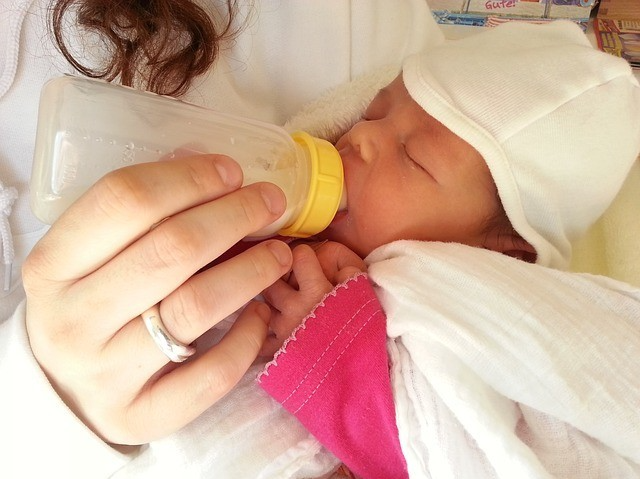
So starting at the beginning, you can’t get a baby to sleep through the night if they still require night feedings.
So what I found worked with my children when I was ready for them to start sleeping through was this:
After settling them down using a consistent bedtime routine around 7-7.30pm, I then used to prepare another bottle for when I was ready for bed (unfortunately I didn’t manage to breast feed for long with any of my babies but that’s a whole other story).
Before going to bed myself, without fully waking my child I then gave them this feed, normally around 10.30-11pm, whenever I was tired, I referred to this as ‘a top up feed’
Then I would go to sleep for as long as the top up feed allowed.
For the first night or so the baby would wake shortly after the time they previously had their night feed, the trick then is to make the night feeds smaller and smaller.
The baby can get enough milk from their top up feed that a night feed is no longer necessary, by gradually making the night feeds smaller and smaller, they begin to realise it’s not worth waking for and you can do away with it all together!
Eventually allowing you a sleep from say 11pm – 5.30/6am, with a baby under one, this is what I would class as a good nights sleep!
Once your babies over a year old you should be able to do away with the top up feed, use the same method, just gradually lessen it until it’s not missed.
Firstly let me point out this isn’t my method, I didn’t invent it, it’s just one of the sleep training methods I came across and found to work.
So once your child no longer requires a nighttime feed there is really no need for them to be waking though the night……………but like I explained above, they will wake during the night as they have sleep cycles just like us.
The key now is to react to this waking as little as possible and to teach your child how to settle themselves.
Not all children are the same so i’ll talk you through how it worked with my eldest daughter who I talked about above who was already very aware that if she screamed during the night she would have all mummy’s attention whilst being rocked to sleep………..as opposed to my son who came along 5 years later to a mummy that knew what she was doing, a mummy that was working full time 2 weeks after his birth and really needed a good 6 hours of sleep!!!
If your child is already in the habit of waking though the night for some attention, it’s going to be harder, just a warning! Brace yourself for a tough few nights, it might take a week or two and you need to be prepared for that so you can pull it off properly, then it’s sooo worth it in the long run. Here’s what you do
-Child cries, give them 5 minutes, if they are still crying see to them like your always have in the past, after a few minutes of cuddling, rocking, patting or shhhing when they begin to settle come away. They don’t need to be fully asleep.
-They are shocked you’ve come away, you normally wait till they are fully asleep, they cry again, this time you leave them a little longer, 7 minutes, then go back in and comfort again, avoid eye contact if possible, as soon as they begin to settle, come away.
-you continue in this way, leaving them for an extra 2 mins each time, then going in to comfort, each time you go in to comfort offer less and less of a comfort.
Eventually they realise the period of crying is not worth it and begin to learn how to settle themselves.
So this is what I followed, I never left her more than 15 minutes and i’ll be truthful, the first couple of nights leaving her to cry for just the 5 minutes nearly drove me insane, it beaks your heart to listen to your child crying and not run in to help them.
But in the long run your doing them a favour, it took around a week, and they were the longest nights of my life, but it worked.
Start young, as soon as night feeds are gone there is no need for the waking so if you want a good sleeper then stop it before it starts, this will be the easiest ride, they don’t have a habit to break yet.
Know your child, if your child is sick, frightened or teething, that’s different, they need their parent, it’s not the right time to use this method.
Talk it through with your partner, make sure they know how important enough sleep is to the whole family, make sure they know it’s only short term and that you know what you’re doing and your not just ignoring the child.
If possible try it in the daytime first, whenever your child has their normal nap, try putting them down half awake and letting them settle themselves……………. I found it much easier to zone out the crying (5,7,9,11,13,& 15 minutes) during the day while I could busy myself than during the evening or night.
Be prepared, if your under the weather or have a lot going on during the day then it might not be the right time for you, it’s tough!
Stick with it, it should only take a week or 2 at the most. Don’t stop and start, stop and start, I genuinely hate children receiving mixed signals!
Once you’ve successfully managed to help your baby fall asleep on their own, weaned them off nighttime feeds and have them sleeping for longer stretches through the night you are most likely very happy and I don’t blame you!!
But just be aware that many children do suffer sleep regressions around 18 and 24 months of age, the reasons behind these are not always clear it’s believed that growth spurts and separation anxiety may play apart but either way using the methods you learnt at the younger age will soon have your child sleeping for longer periods again.
This is what worked for me, it has also worked for many of the children I have cared for over the years, I hope it helps some of you and I would love to hear of any success stories or other top tips.
Keep checking in as I will also be talking about bedtime routines and the children that hog their parents beds soon (but thought i’d rattled on enough her for one day)
Thanks for reading,
